dinglimachine01@gmail.com
+86 16638159081(Wechat/WhatsApp)
dinglimachine01@gmail.com
+86 16638159081(Wechat/WhatsApp)

Continuous carbonization machines are emerging as a critical solution for addressing global environmental challenges, particularly in the fields of biomass waste management and emissions reduction. Designed for continuous and highly efficient operation, this equipment transforms organic waste into valuable carbon products while minimizing environmental impact.
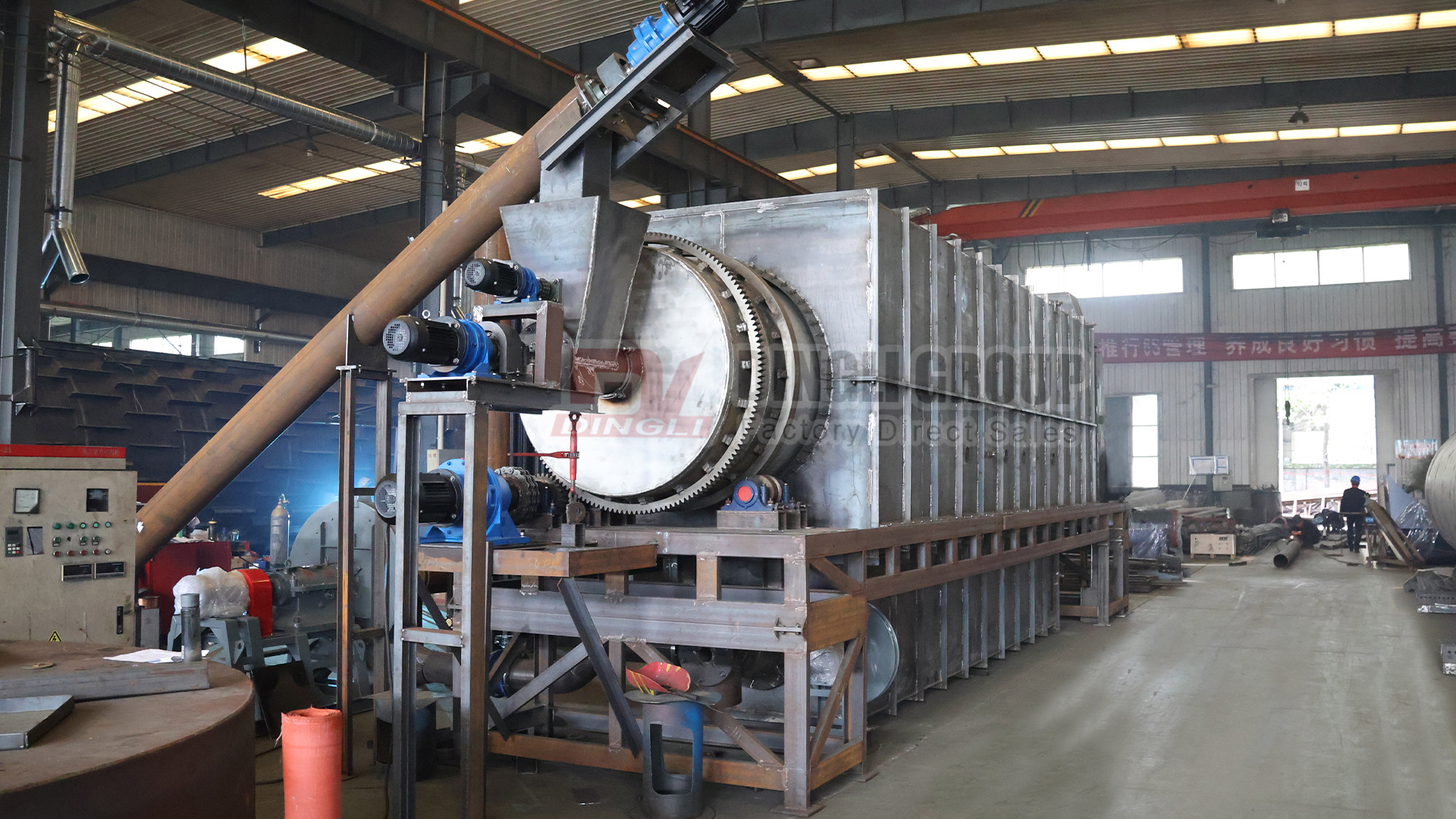
Agricultural residues—such as rice straw, rice husks, sawdust, and palm shells—are often indiscriminately discarded or incinerated, leading to air pollution and resource wastage. Continuous carbonization machines offer an effective alternative: they process these materials through a high-temperature pyrolysis process within an oxygen-limited environment, converting them into biochar.
A key environmental benefit of this technology is its ability to significantly reduce open burning practices and greenhouse gas emissions. Furthermore, the system is equipped with flue gas purification devices to ensure that exhaust emissions comply with all relevant environmental standards.
Another significant feature of this equipment is its capacity for energy recycling. The combustible gases generated during the carbonization process can be recycled internally within the system as fuel, thereby reducing reliance on external energy supplies and further minimizing the carbon footprint. By transforming waste into valuable resources and mitigating pollution, continuous carbonization machines are empowering industries across various sectors to transition toward greener production models and supporting the development of a circular economy.
I would like to ask for a price quotetion for DLTJ2212.
Hello. How much is your "DLTJ1912" model?
Please send offer for biochar making machine with all technicals spécifications
We are in need of a rice husk charcoal machne for bio coal making.
We are intrested in contiunous carbonization machine, we need a high capacity.
We are interested in biomass pyrolysis machine 2 tons per hour .
Interested in wood charcoal machine. what price and size of wood it creates?